How to grow rutabagas
Brassica napus var. napobrassica · brassicaceae family · annual crop
Rutabaga is a cool-season crop, usually direct-sown in the garden, and planting opens once soil reaches about 45°F; varieties in the library mature in 90 to 95 days.
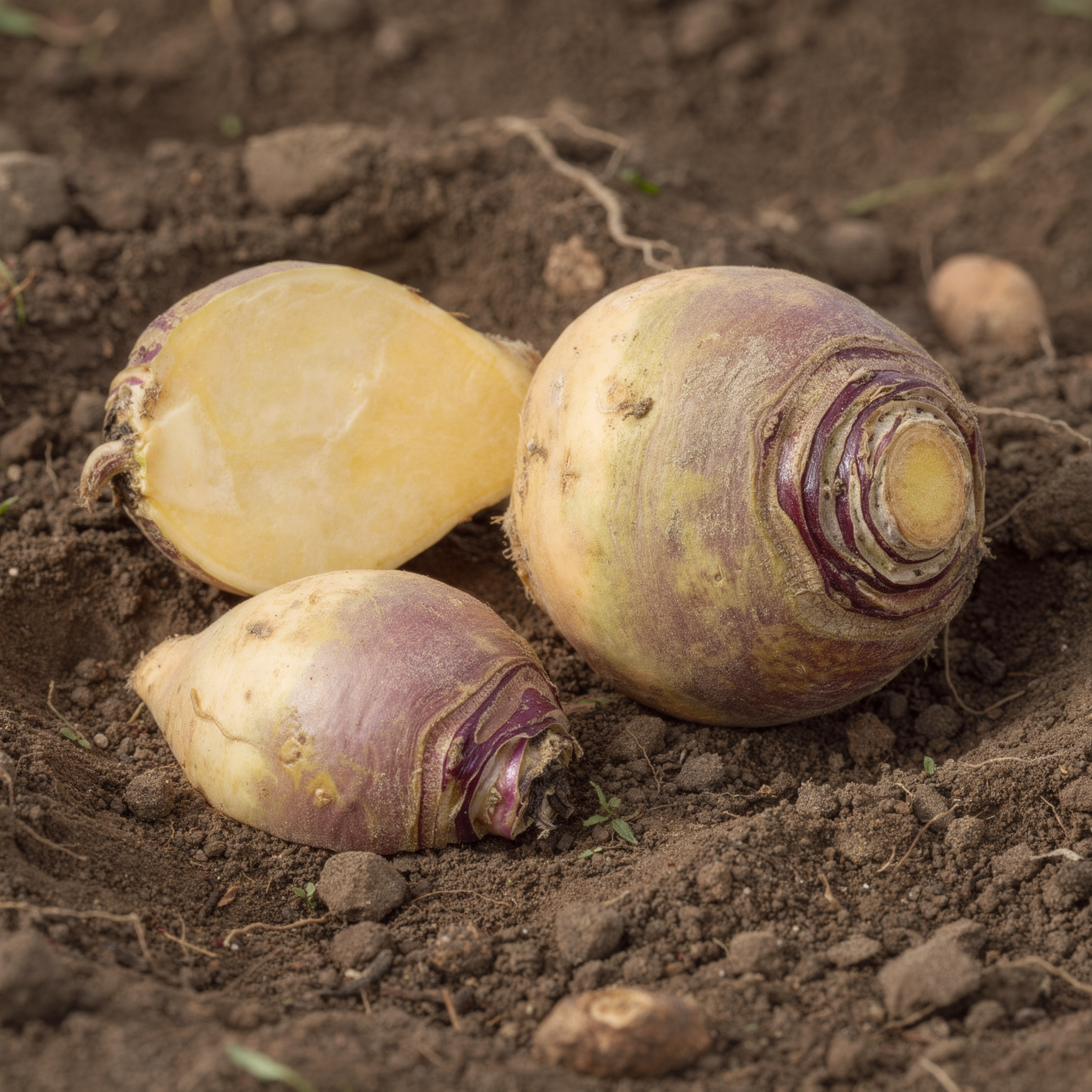
Rutabaga is a root crop in the cabbage family, grown for a dense, yellow-fleshed root that stores through winter better than most vegetables in the garden. It needs a longer season than a turnip, planted in late spring so the root has months to bulk up before it matures in the cool weather of fall. Both the root and the tender young leaves are edible, cooked rather than raw, and the crop is valued for how well it holds in a cold, humid space once harvested and cured.
The hardest part of growing rutabaga well is keeping the soil evenly moist through the long stretch the root spends bulking up. University of Minnesota Extension states plainly that drought stress can make rutabaga bitter or woody, and recommends roughly an inch of water a week through the season. A second-year gardener who waters on a whim, soaking the bed only after noticing wilted leaves rather than on a set schedule, ends up with roots that look full sized at harvest but cut tough and taste sharp instead of mild, never earning a place at the winter table.
Growing basics
Rutabaga is a cool-season crop, usually direct-sown in the garden.
Seeds germinate once soil reaches about 45°F.
Varieties in the library run 90 to 95 days to maturity.
Grows best in full sun.
Frost-hardy: keeps going through freezes.
Space plants about 8 inches apart.
Common questions
When do you plant rutabagas?
Rutabaga is a cool-season crop, usually direct-sown in the garden. Planting opens once soil reaches about 45°F.
What soil temperature does rutabagas need?
Seeds germinate once soil reaches about 45°F.
How far apart do you space rutabagas?
Space plants about 8 inches apart.
How long does rutabagas take to mature?
Varieties in the library run 90 to 95 days from planting to harvest.
3 rutabagas in the library
American Purple Top · Laurentian · Helenor
Each has a full cited page in the library.
Pests and diseases we cover
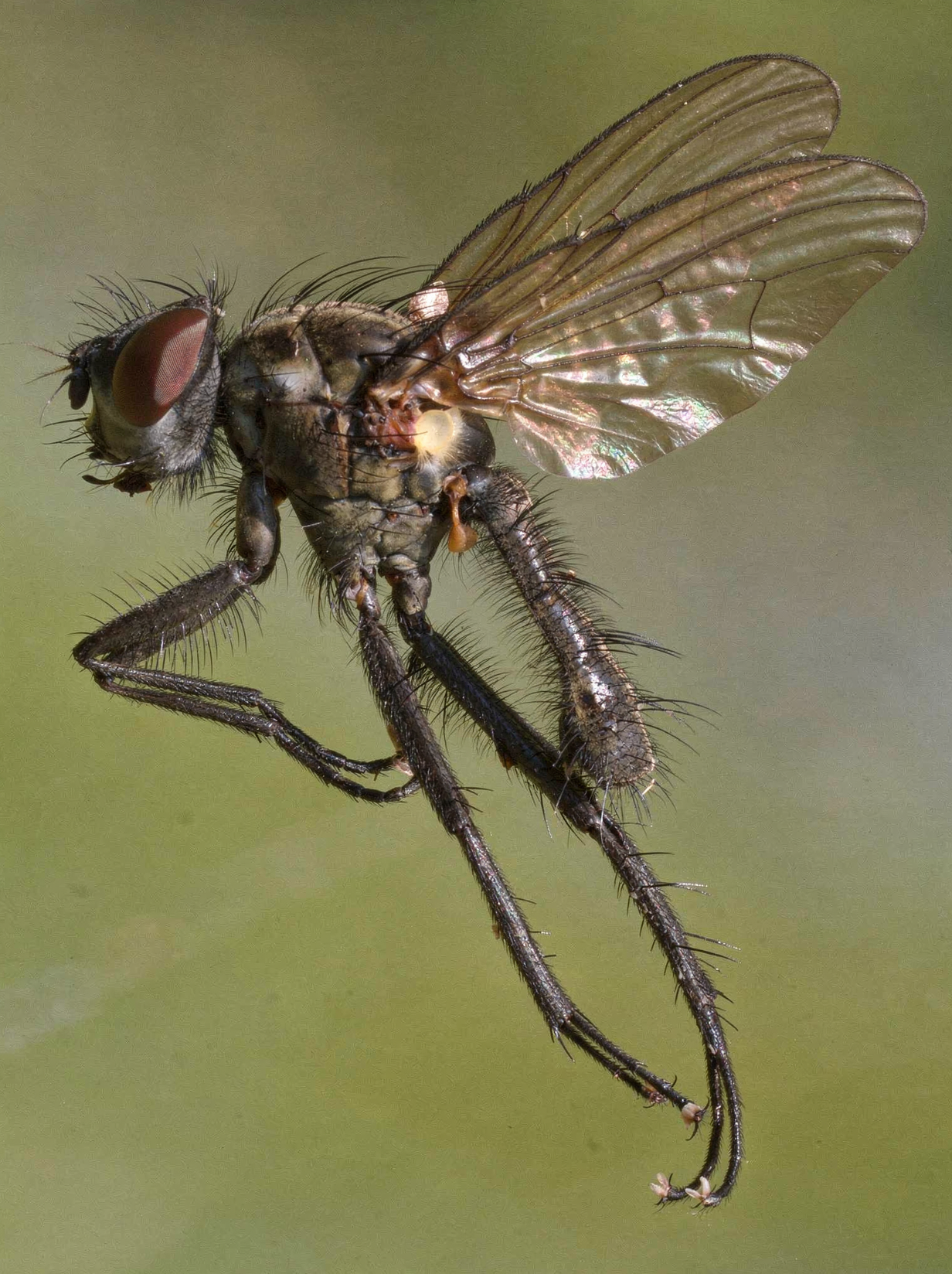 Cabbage root maggot
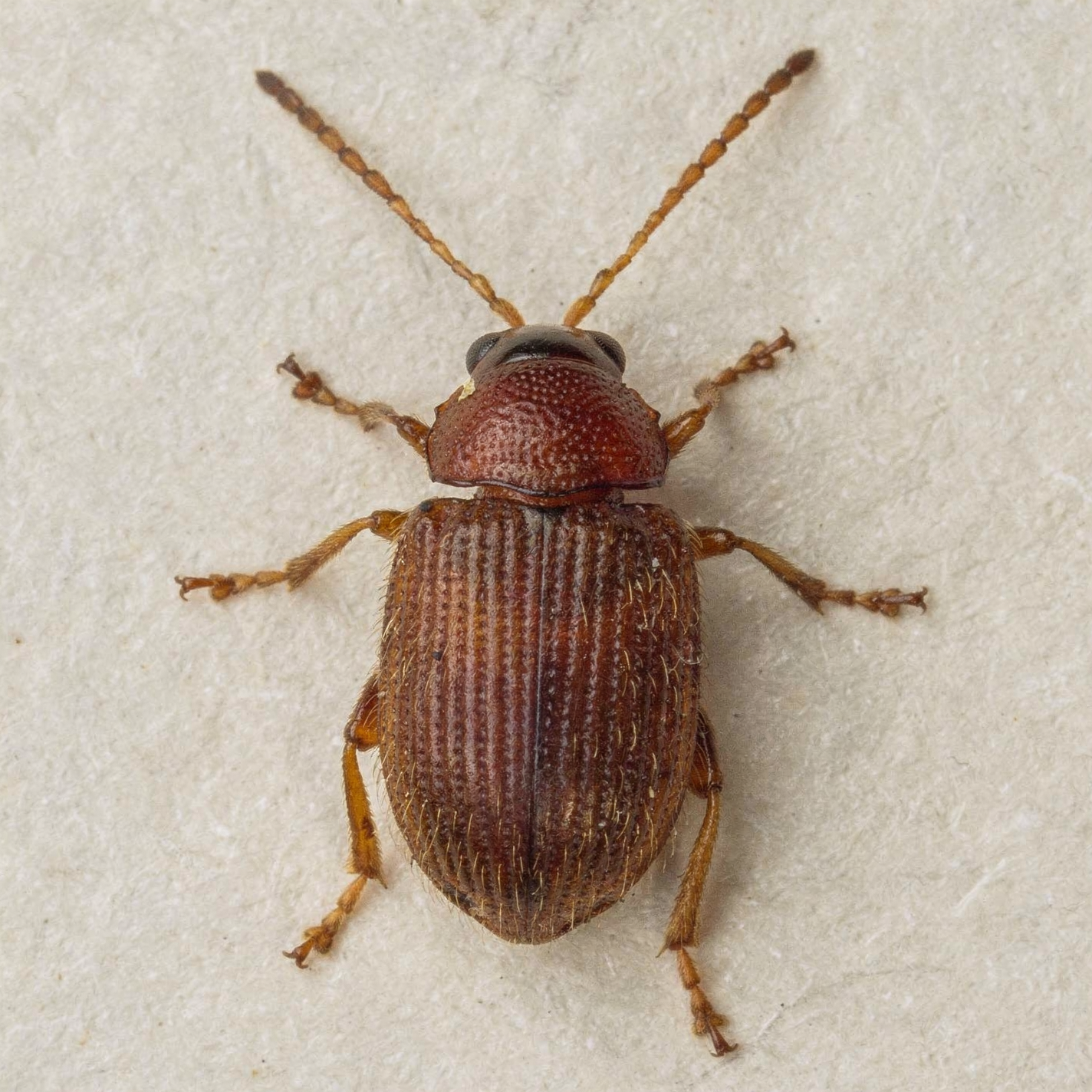 Flea beetle
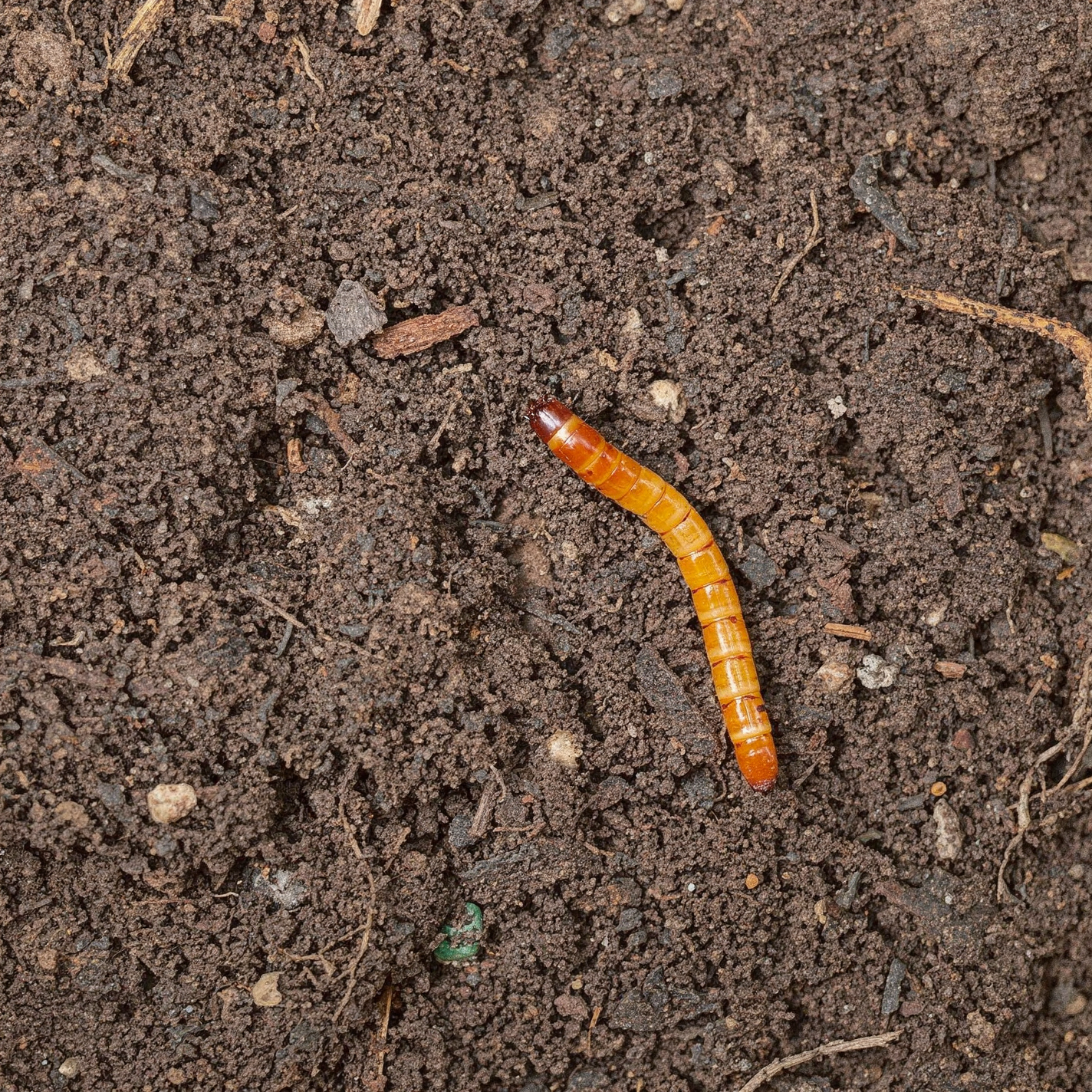 Wireworm
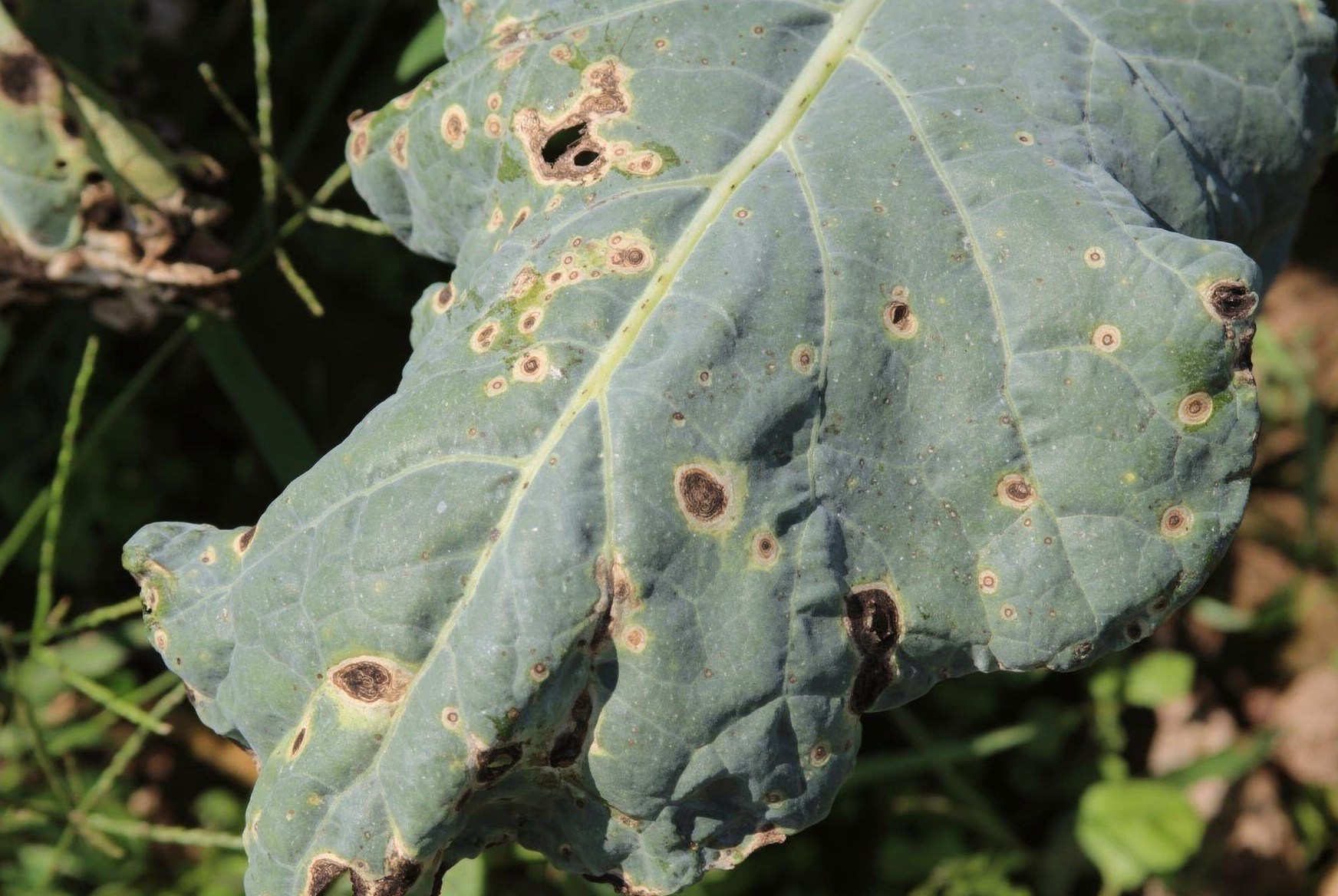 Alternaria leaf spot (brassica)
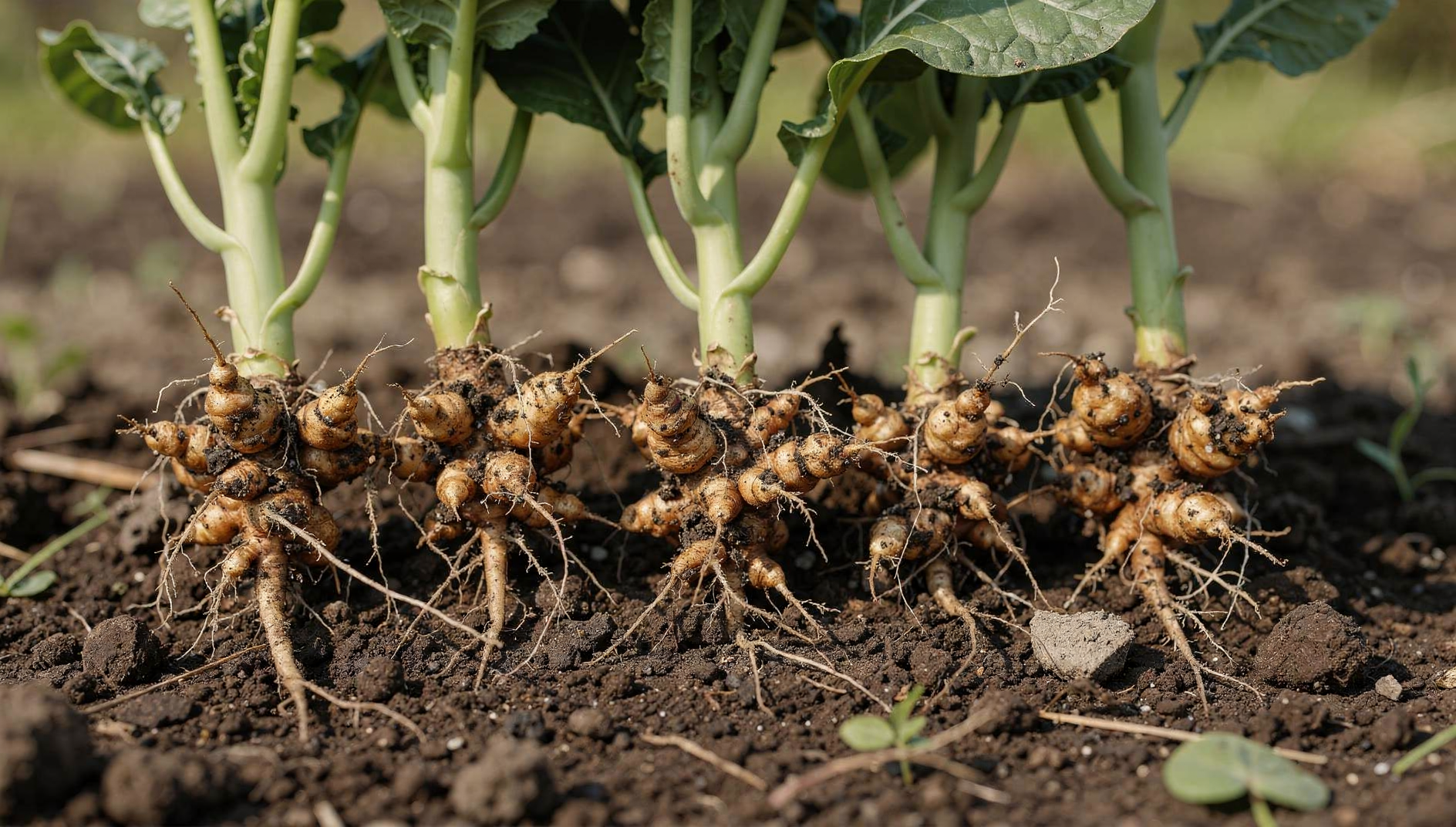 Clubroot
Identification and treatment for each, with photos, in the library.
Row & Bed covers 3 rutabaga varieties, each with a cited care timeline and fertilization schedule, identification and treatment for the 3 pests and 2 diseases that reach them, and planting windows worked out for your ZIP.
Set up your gardenSee something that does not match your garden? Write to andy@rowandbed.com.