How to grow lemon balms
Melissa officinalis · lamiaceae family · perennial
Lemon balm is a cool-season crop, started from seed in the garden or transplanted, and planting opens once soil reaches about 60°F.
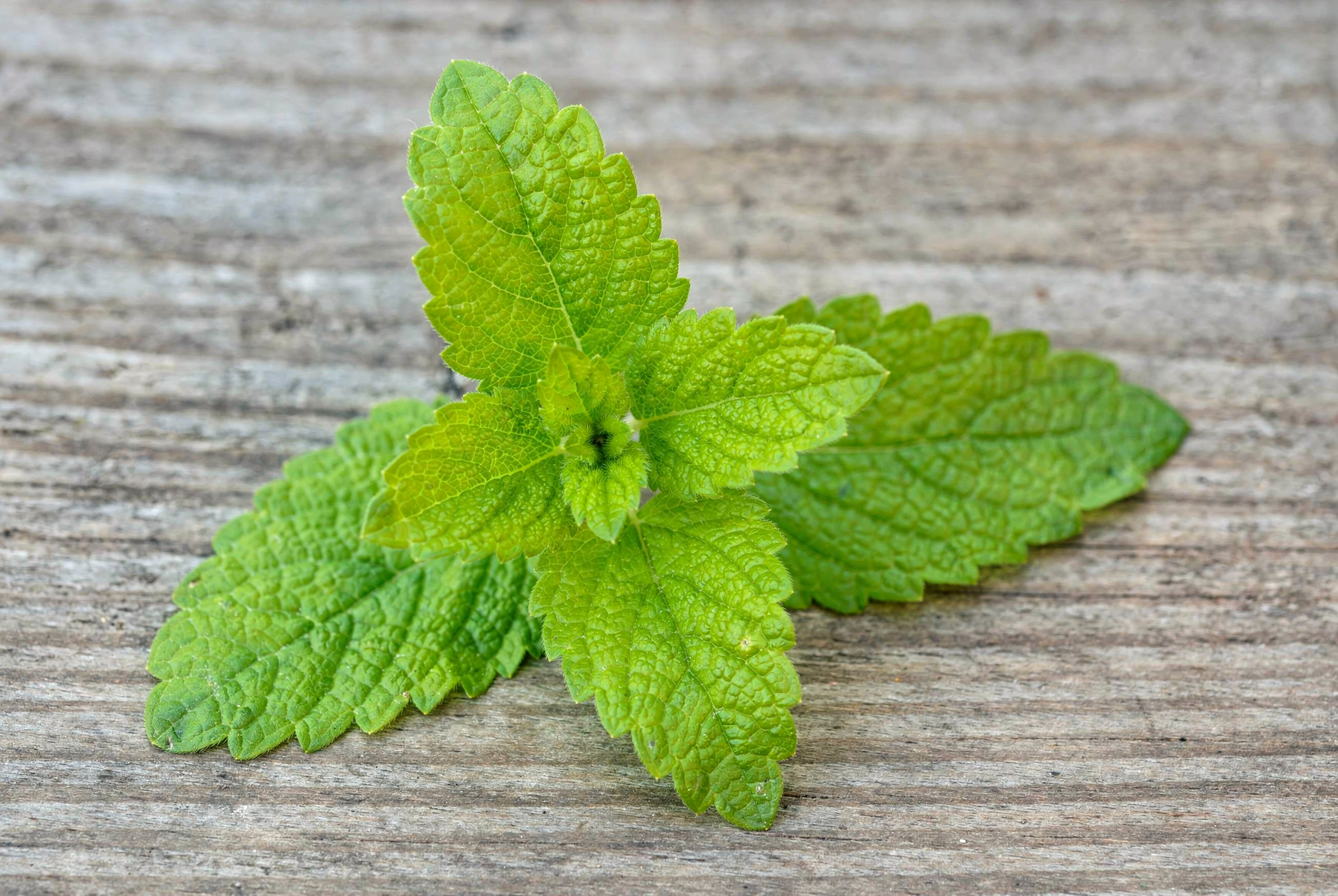
Lemon balm is an upright, bushy perennial in the mint family, grown for the lemon scent its leaves release at a touch and the flavor they bring to tea, salads, and vinegars. It forms a full clump ten inches to two feet tall in its first season, spreading wider each year once established in full sun to part shade and soil that drains but does not dry out completely. Unlike its mint relatives, it stays in the same patch rather than creeping by underground stems, easy to mistake for a well-behaved herb-bed plant in its first year.
The hardest part of growing lemon balm is what happens after that first year, once the plant flowers and sets seed. University of Illinois Extension explains that lemon balm spreads not through its roots but through the sheer volume of viable seed its flowers produce, and left alone, that seed carries the plant well beyond its original bed. A gardener who lets the flowering stalks stand through summer, the way one would with a perennial grown for its bloom, ends up weeding lemon balm seedlings out of neighboring beds the next spring. Utah State University Extension recommends cutting the flower stalks back before they set seed.
Growing basics
Lemon balm is a cool-season crop, started from seed in the garden or transplanted.
Seeds germinate once soil reaches about 60°F.
Grows in part sun.
Frost-hardy: keeps going through freezes.
Space plants about 17 inches apart.
Common questions
When do you plant lemon balms?
Lemon balm is a cool-season crop, started from seed in the garden or transplanted. Planting opens once soil reaches about 60°F.
What soil temperature does lemon balms need?
Seeds germinate once soil reaches about 60°F.
How far apart do you space lemon balms?
Space plants about 17 inches apart.
2 lemon balms in the library
Common Lemon Balm · Variegata
Each has a full cited page in the library.
Pests and diseases we cover
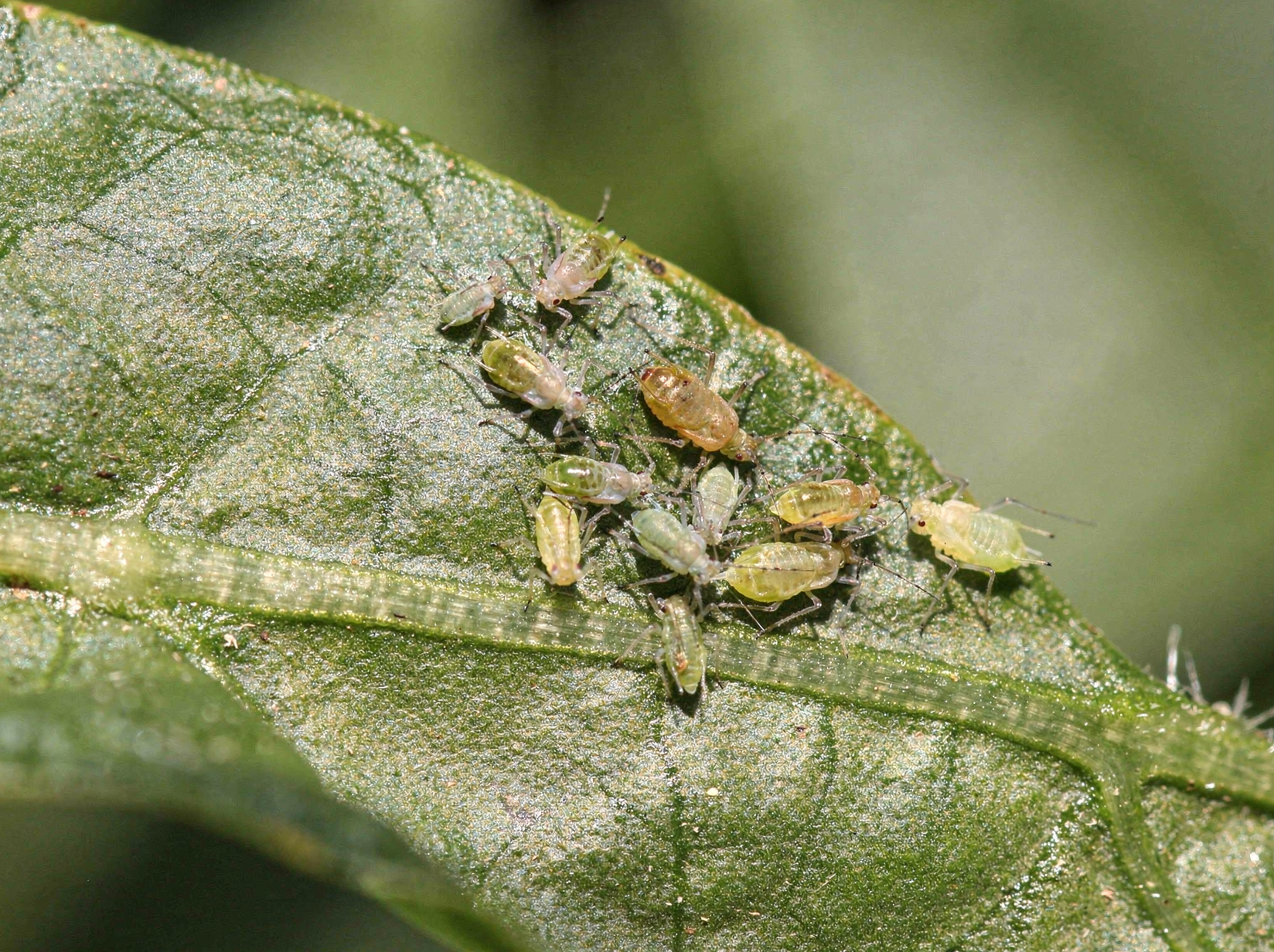 Aphid
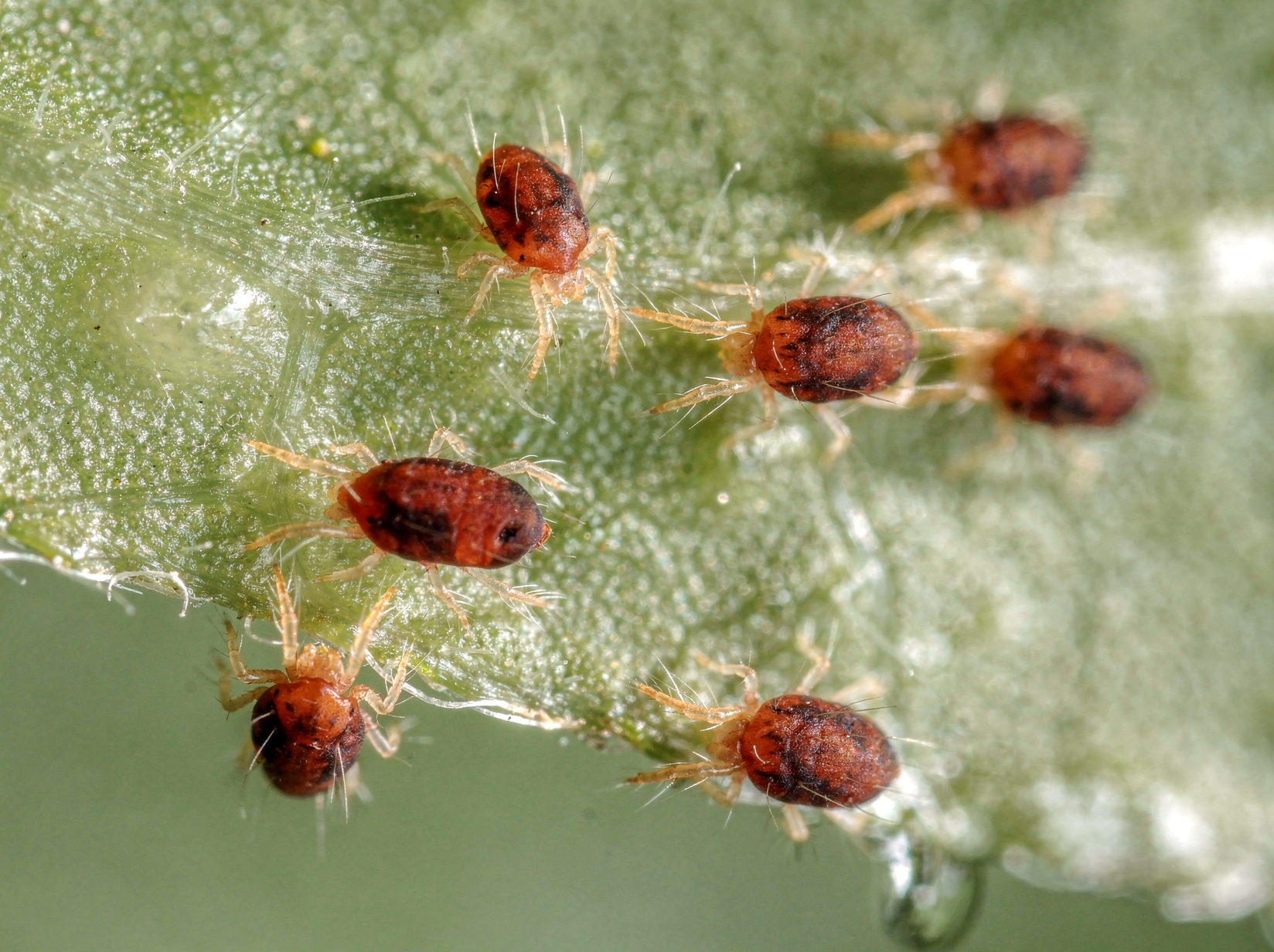 Two-spotted spider mite
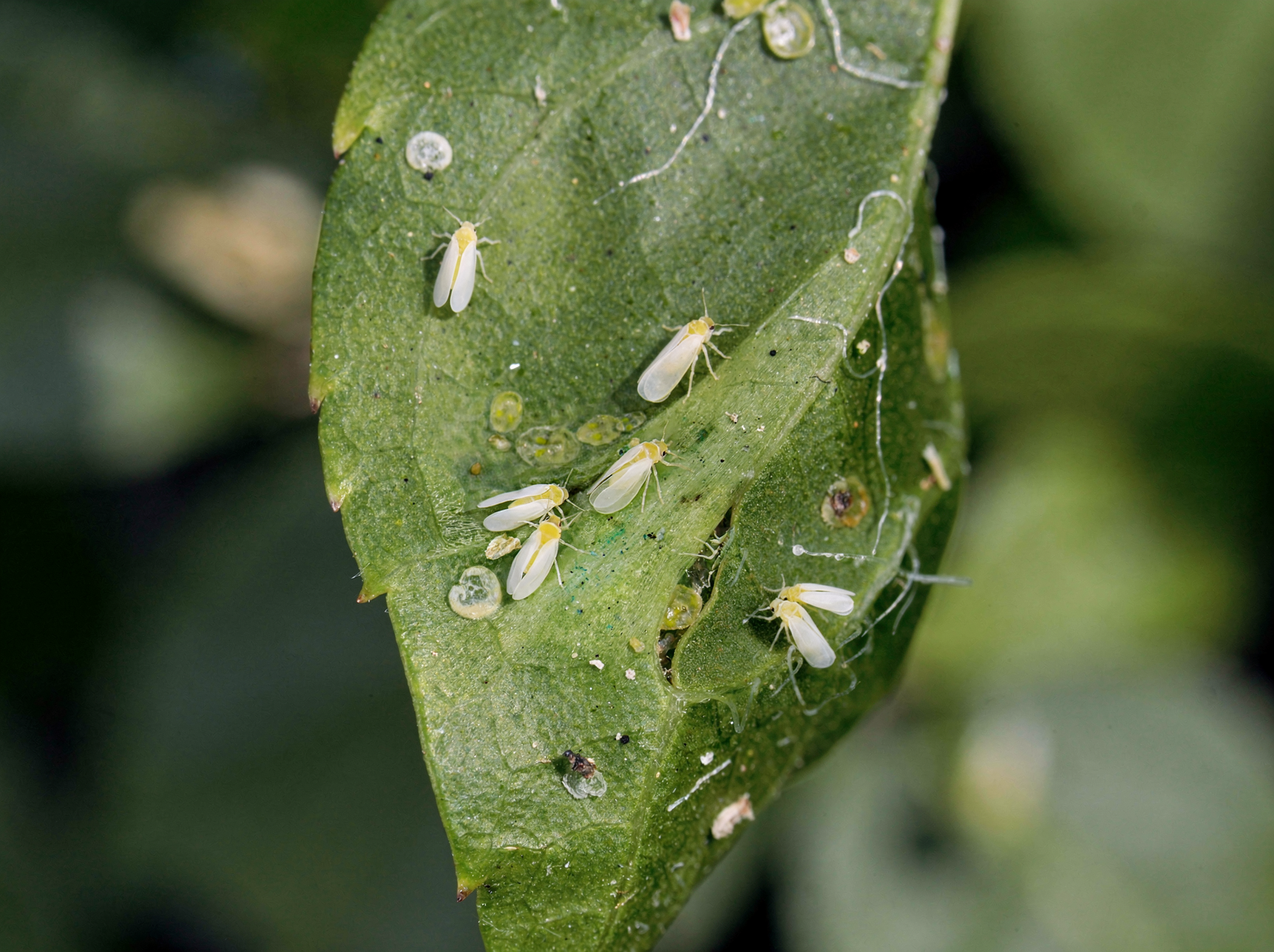 Whitefly
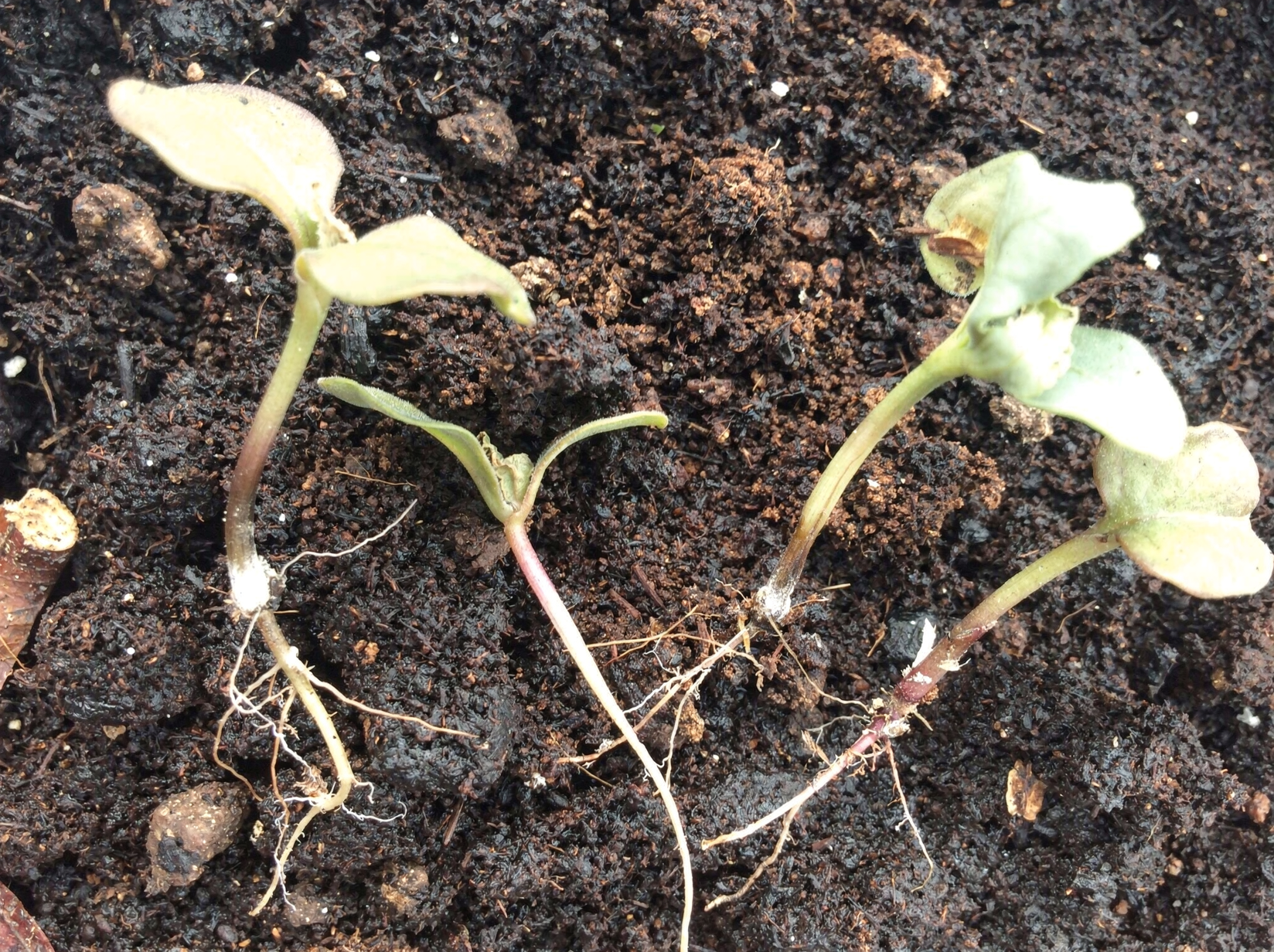 Damping off
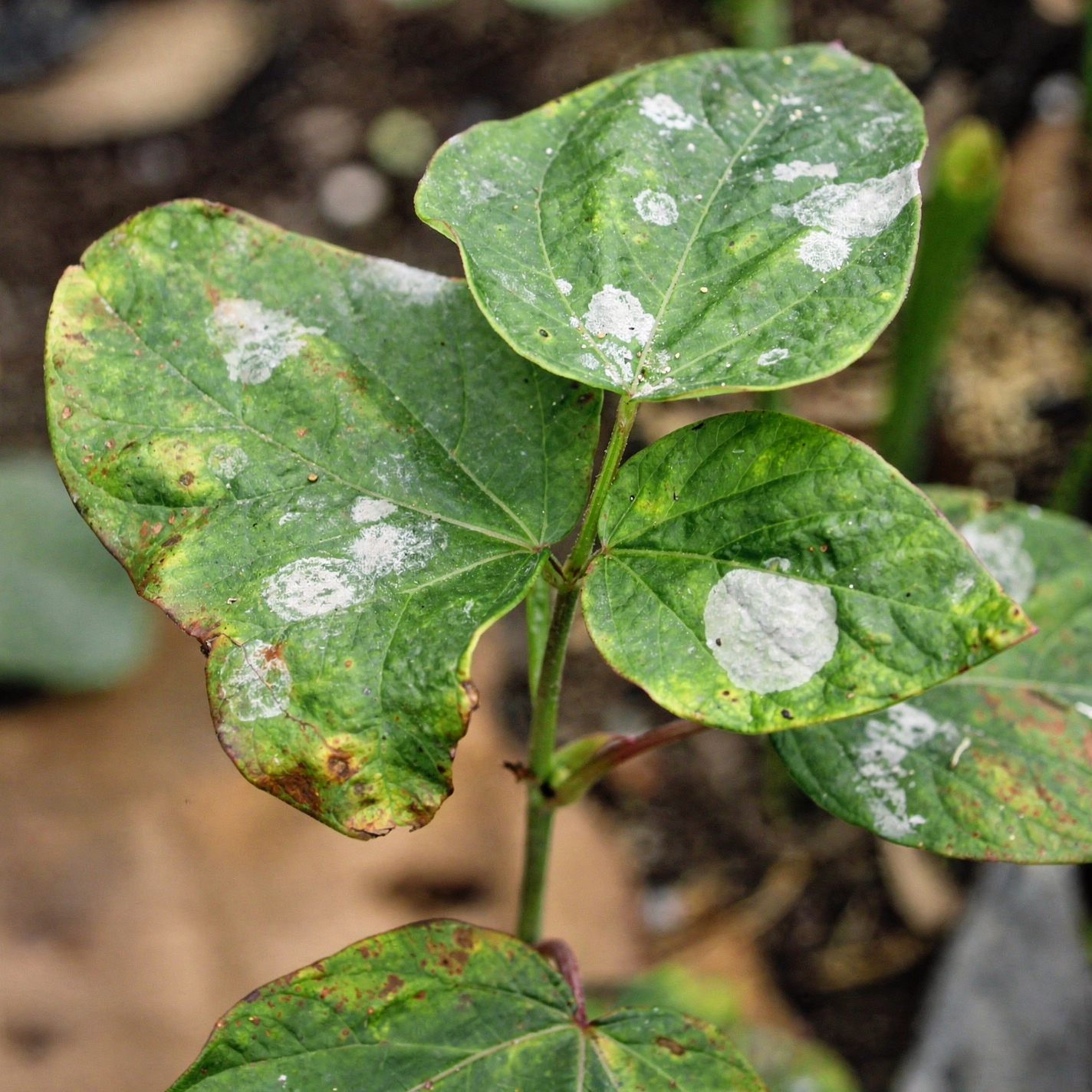 Powdery mildew
Identification and treatment for each, with photos, in the library.
Row & Bed covers 2 lemon balm varieties, each with a cited care timeline and fertilization schedule, identification and treatment for the 3 pests and 2 diseases that reach them, and planting windows worked out for your ZIP.
Set up your gardenSee something that does not match your garden? Write to andy@rowandbed.com.