How to grow lavenders
Lavandula angustifolia · lamiaceae family · perennial
Lavender is a perennial, usually started indoors and transplanted, and planting opens once soil reaches about 65°F.
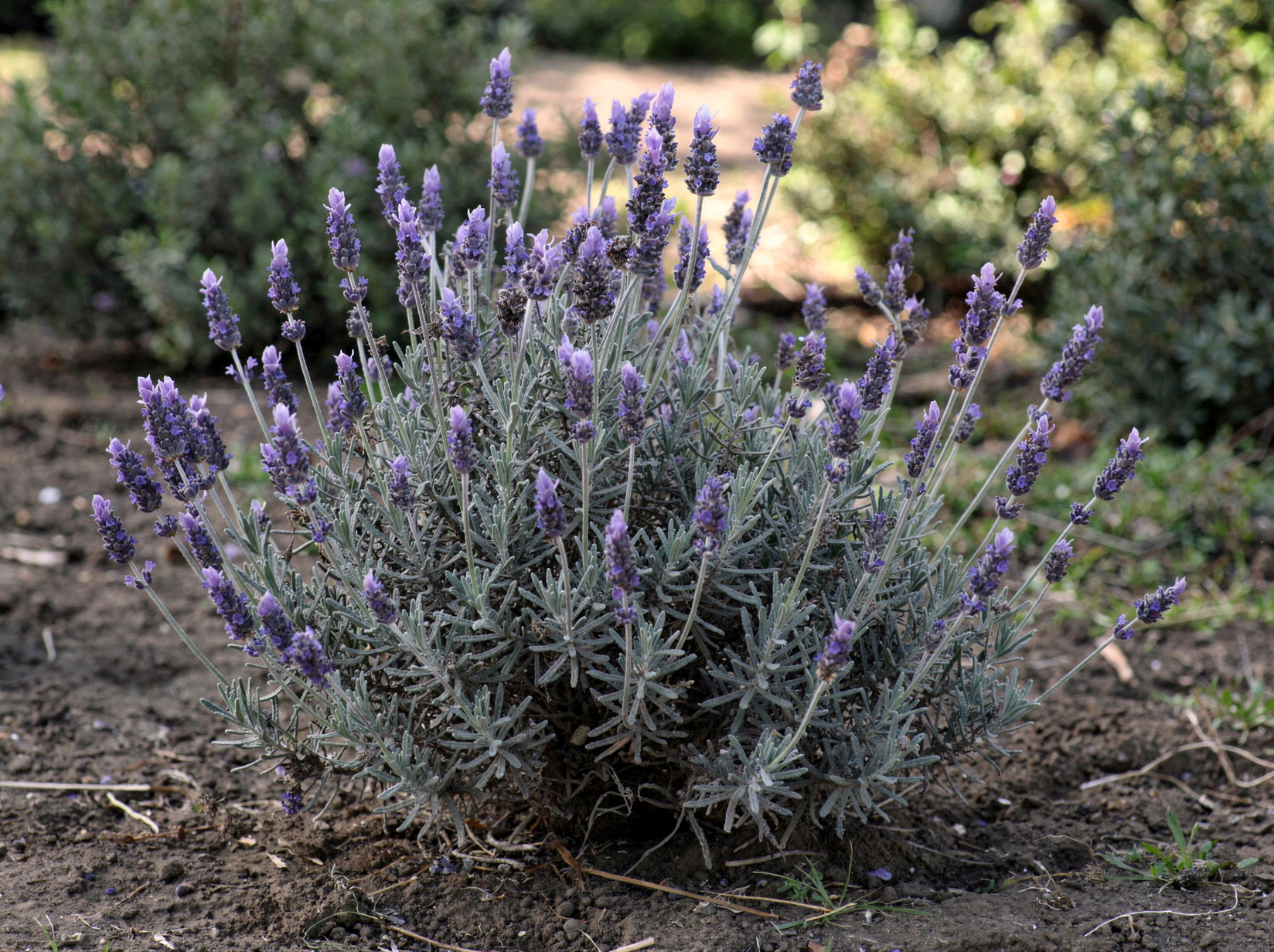
Lavender is a low, silvery-leaved perennial shrub grown as much for its structure and scent as for its flower spikes, forming a dense, rounded mound that holds its shape through the season. Gardeners plant it along a walkway or in a raised, sunny bed for the honeybee traffic and the fragrance it releases when brushed, and because a mature plant needs little water once established. It prefers the opposite of what the vegetable garden wants: lean, alkaline, fast-draining soil rather than the rich, moisture-retentive beds built for tomatoes and greens.
The hardest part of growing lavender well is pruning it every year, not only when it looks like it needs it. Ask Extension explains that regular pruning keeps the plant from splitting open and becoming too woody, since unpruned plants grow woody sooner and lose their shape. A second-year gardener who skips pruning while the plant is still flowering fine finds, a year or two later, a shrub with a hollow, splayed center and only a thin shell of live growth. By then it often cannot be cut into old wood and recover; starting over with a new plant is the fix.
Growing basics
Lavender is a perennial, usually started indoors and transplanted.
Seeds germinate once soil reaches about 65°F.
Grows best in full sun.
Frost-hardy: keeps going through freezes.
Space plants about 18 inches apart.
Common questions
When do you plant lavenders?
Lavender is a perennial, usually started indoors and transplanted. Planting opens once soil reaches about 65°F.
What soil temperature does lavenders need?
Seeds germinate once soil reaches about 65°F.
How far apart do you space lavenders?
Space plants about 18 inches apart.
2 lavenders in the library
Hidcote · Munstead
Each has a full cited page in the library.
Pests and diseases we cover
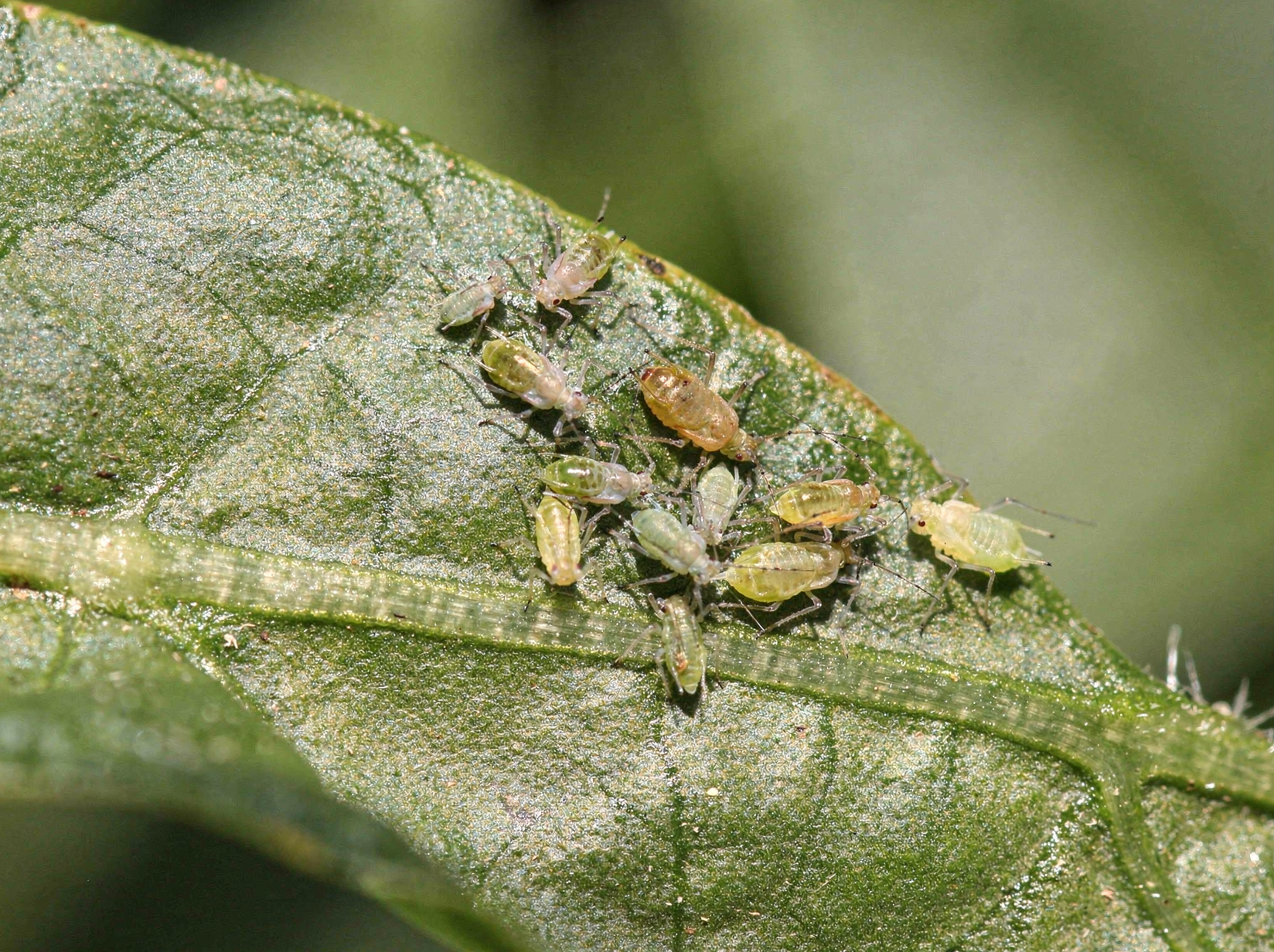 Aphid
Identification and treatment for each, with photos, in the library.
Row & Bed covers 2 lavender varieties, each with a cited care timeline and fertilization schedule, identification and treatment for the pest that reaches them, and planting windows worked out for your ZIP.
Set up your gardenSee something that does not match your garden? Write to andy@rowandbed.com.