How to grow kale
Brassica oleracea var. sabellica · brassicaceae family · annual crop
Kale is a cool-season crop, started from seed in the garden or transplanted, and planting opens once soil reaches about 45°F; varieties in the library mature in 60 to 65 days.
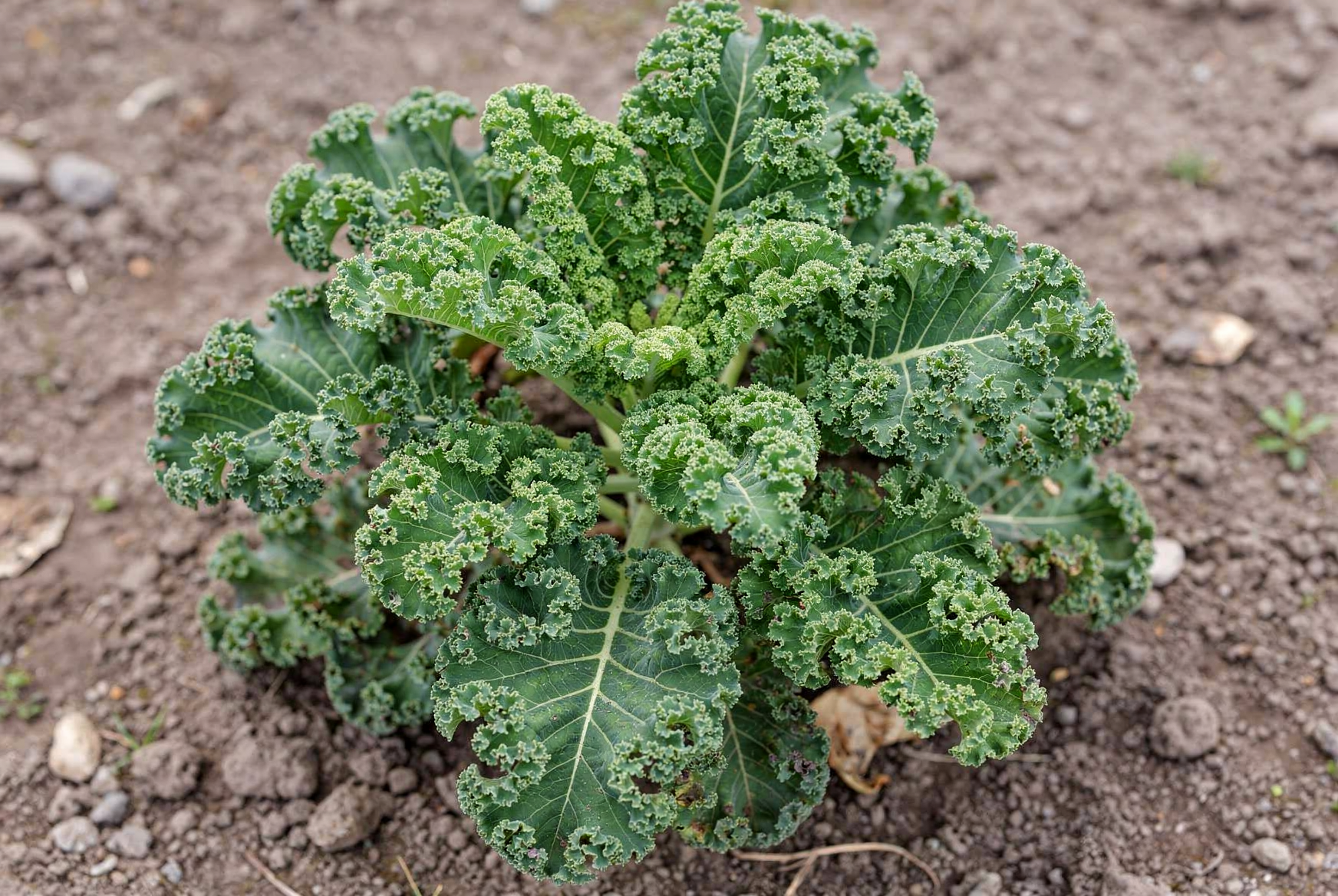
Kale is a cool-season leafy green that home gardeners grow for a harvest that runs across most of the year, since the plant tolerates cold that would finish more tender greens. The ruffled or lobed leaves grow from a central stalk that can reach two to four feet tall, and a bed planted in spring can still be cut from well into fall, since frost sweetens rather than damages mature leaves. Gardeners treat it as a cut-and-come-again crop, working from the base of the stem up to gather older leaves while smaller ones keep expanding at the top.
The hardest part of growing kale well is keeping it out of hot weather. University of Minnesota Extension warns that heat or moisture stress causes the plant to produce compounds that turn the leaves pungent or bitter, and that hot weather slows growth while toughening the leaves that do form. A second-year gardener who leaves a spring planting in the ground through the first hot stretch of summer, rather than timing it to finish before heat arrives, ends up with leaves that are tough and strongly flavored even though the plant still looks healthy.
Growing basics
Kale is a cool-season crop, started from seed in the garden or transplanted.
Seeds germinate once soil reaches about 45°F.
Varieties in the library run 60 to 65 days to maturity.
Grows best in full sun.
Frost-hardy: keeps going through freezes.
Space plants about 12 inches apart.
Common questions
When do you plant kale?
Kale is a cool-season crop, started from seed in the garden or transplanted. Planting opens once soil reaches about 45°F.
What soil temperature does kale need?
Seeds germinate once soil reaches about 45°F.
How far apart do you space kale?
Space plants about 12 inches apart.
How long does kale take to mature?
Varieties in the library run 60 to 65 days from planting to harvest.
2 varieties of kale in the library
Lacinato · Red Russian
Each has a full cited page in the library.
Pests and diseases we cover
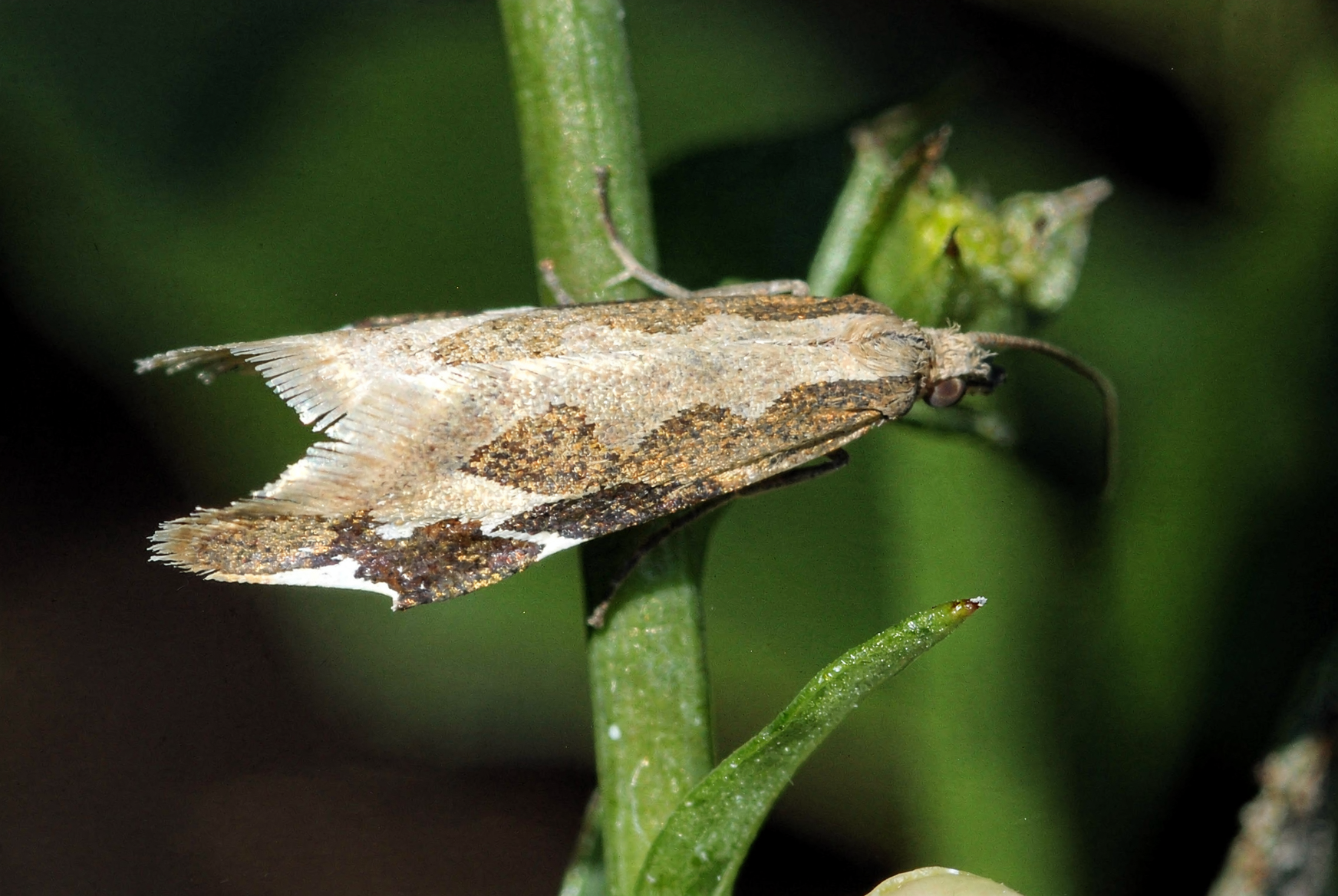 Diamondback moth
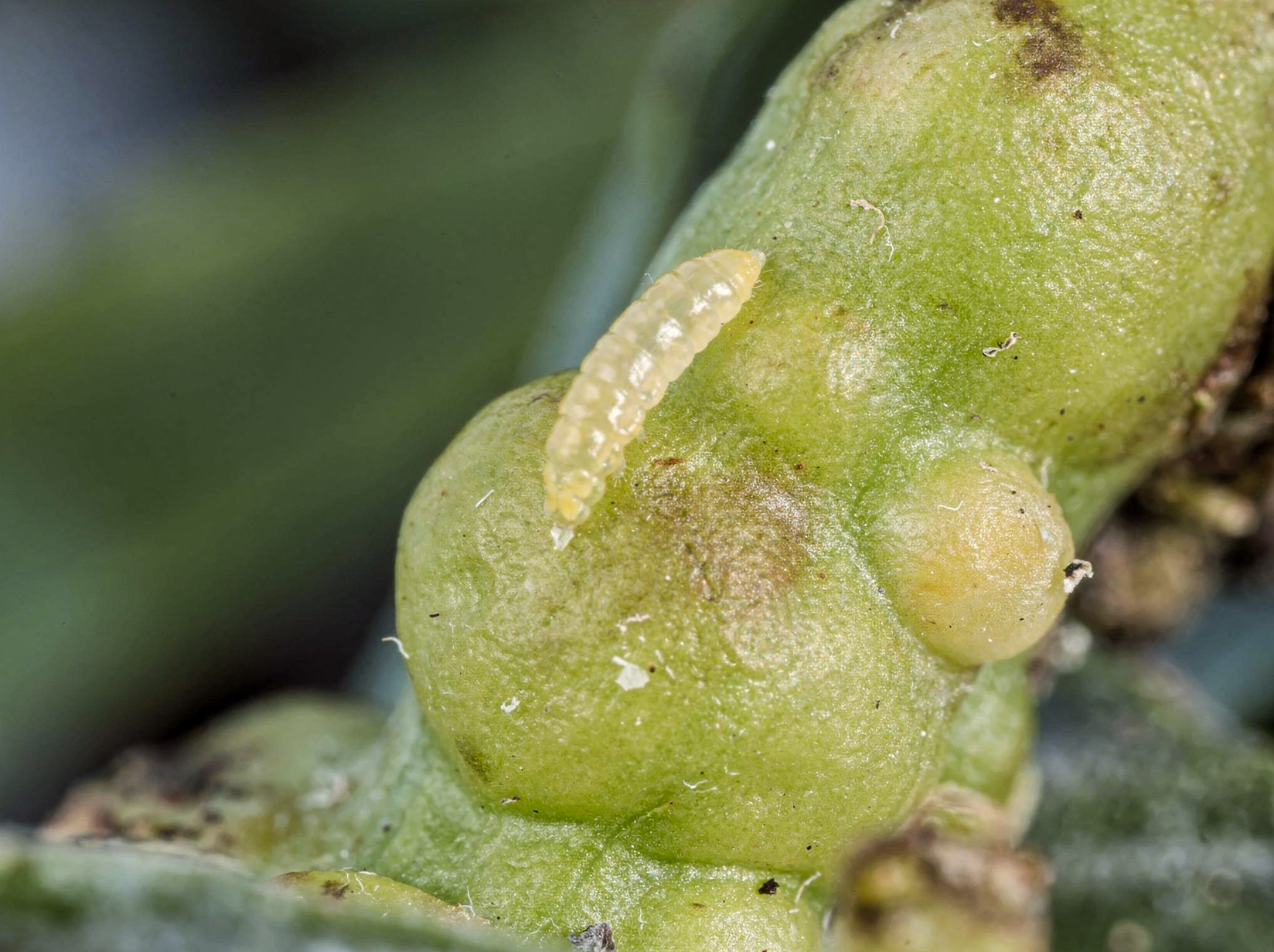 Swede midge
Identification and treatment for each, with photos, in the library.
Row & Bed covers 2 kale varieties, each with a cited care timeline and fertilization schedule, identification and treatment for the 2 pests that reach them, and planting windows worked out for your ZIP.
Set up your gardenSee something that does not match your garden? Write to andy@rowandbed.com.