How to grow collards
Brassica oleracea var. viridis · brassicaceae family · annual crop
Collards is a cool-season crop, started from seed in the garden or transplanted, and planting opens once soil reaches about 45°F; varieties in the library mature in about 75 days.
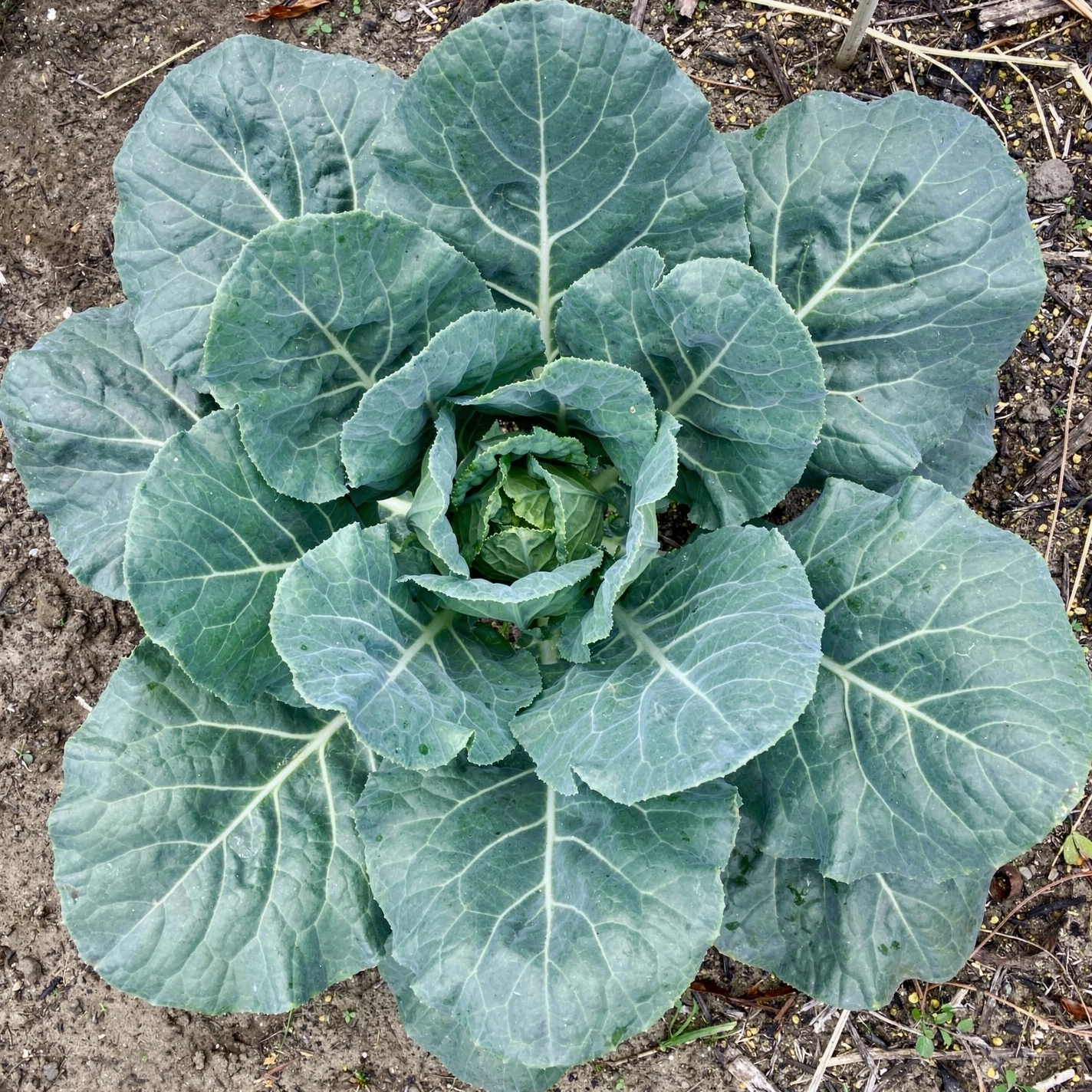
Collards are a leafy, non-heading member of the cabbage family grown for broad, thick, smooth leaves rather than a head, belonging to the same species as kale. Home gardeners grow them for an unusually long harvest window: the plant holds through hard freezes far longer than most leafy greens, and outer leaves can be picked as needed while the center keeps producing, or the whole plant cut at once. That makes collards a pantry crop, visited repeatedly over months, rather than a single-harvest vegetable.
The hardest part of growing collards well is matching harvest timing to weather rather than the calendar. University of Minnesota Extension notes that heat slows growth and turns the leaves tough and strong flavored, while cold has the opposite effect: mature plants tolerate frosts and light to medium freezes and keep producing well beyond the first fall frost, with flavor improving as weather cools. A second-year gardener who treats collards like lettuce, racing to harvest before summer heat sets in, misses the payoff that comes from letting the plant run into fall and take a hard freeze. The penalty for rushing is a bed of tough, bitter greens.
Growing basics
Collards is a cool-season crop, started from seed in the garden or transplanted.
Seeds germinate once soil reaches about 45°F.
Plants bolt or decline once sustained daytime highs reach 80°F.
Varieties run about 75 days to maturity.
Grows best in full sun.
Frost-hardy: keeps going through freezes.
Space plants 12 to 18 inches apart.
Common questions
When do you plant collards?
Collards is a cool-season crop, started from seed in the garden or transplanted. Planting opens once soil reaches about 45°F.
What soil temperature does collards need?
Seeds germinate once soil reaches about 45°F.
How far apart do you space collards?
Space plants 12 to 18 inches apart.
How long does collards take to mature?
Varieties in the library run about 75 days from planting to harvest.
3 varieties of collards in the library
Georgia Southern · Vates · Champion
Each has a full cited page in the library.
Pests and diseases we cover
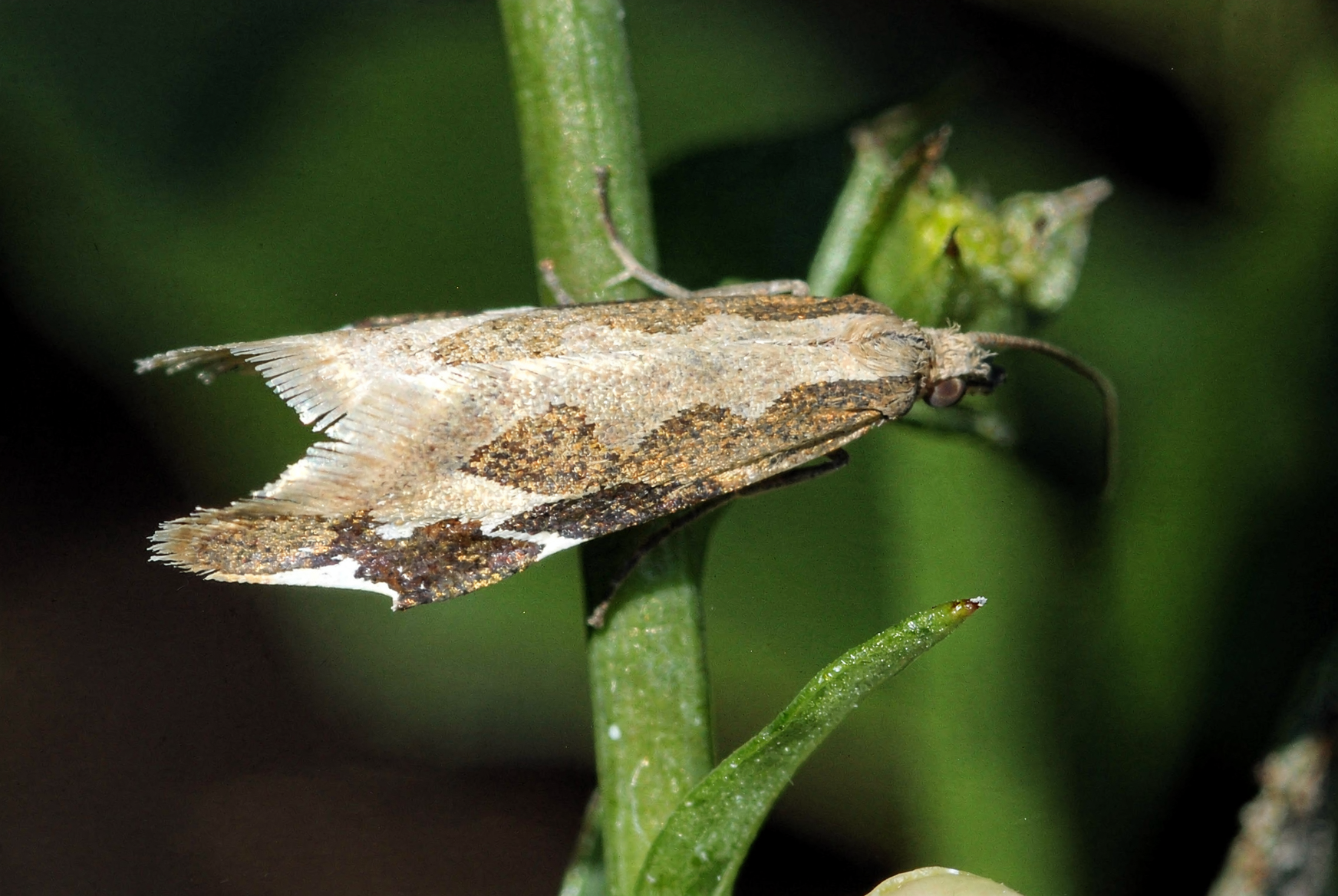 Diamondback moth
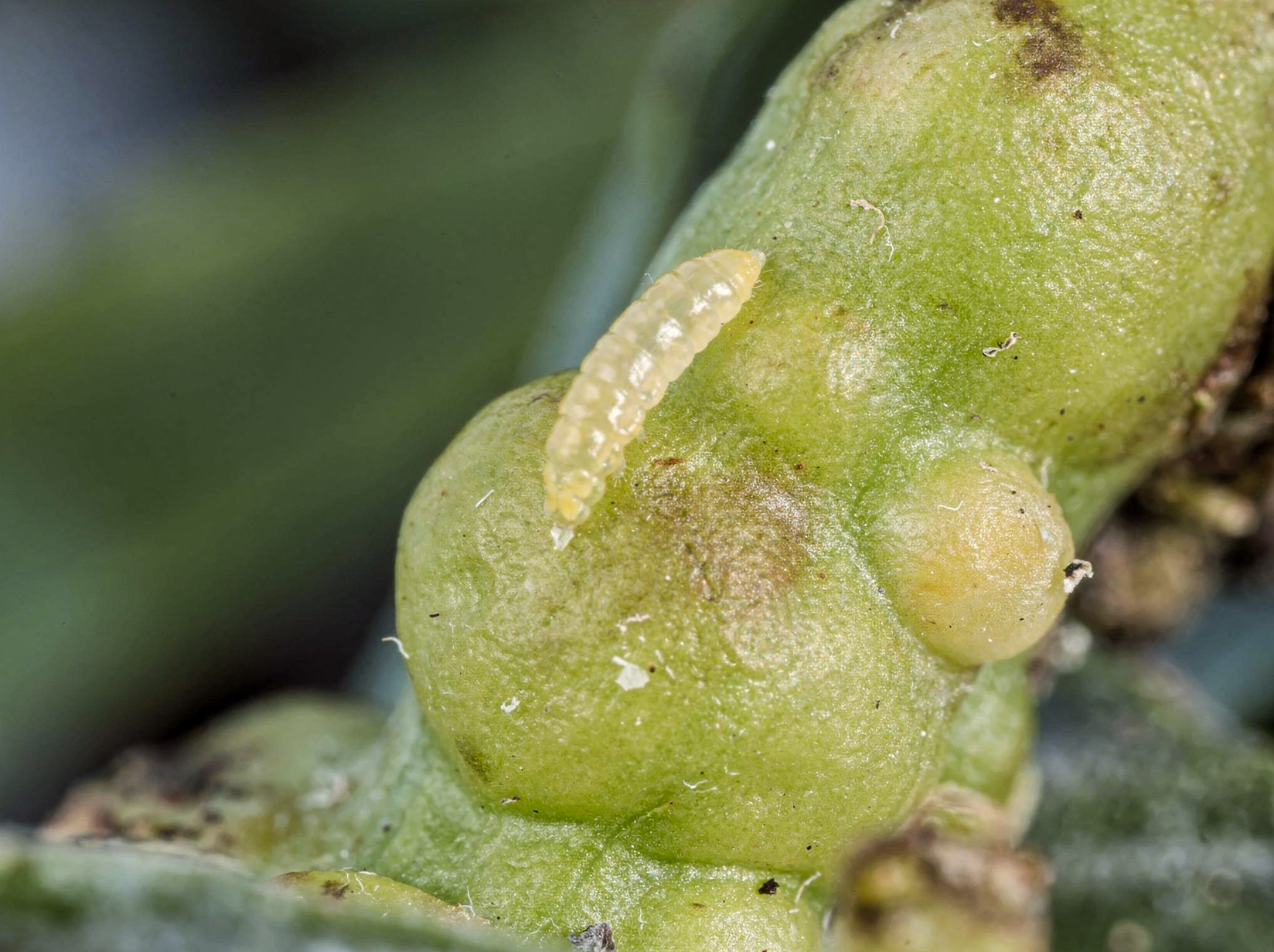 Swede midge
Identification and treatment for each, with photos, in the library.
Row & Bed covers 3 collards varieties, each with a cited care timeline and fertilization schedule, identification and treatment for the 2 pests that reach them, and planting windows worked out for your ZIP.
Set up your gardenSee something that does not match your garden? Write to andy@rowandbed.com.