How to grow chervils
Anthriscus cerefolium · apiaceae family · annual crop
Chervil is a cool-season crop, usually direct-sown in the garden, and planting opens once soil reaches about 55°F; varieties in the library mature in about 60 days.
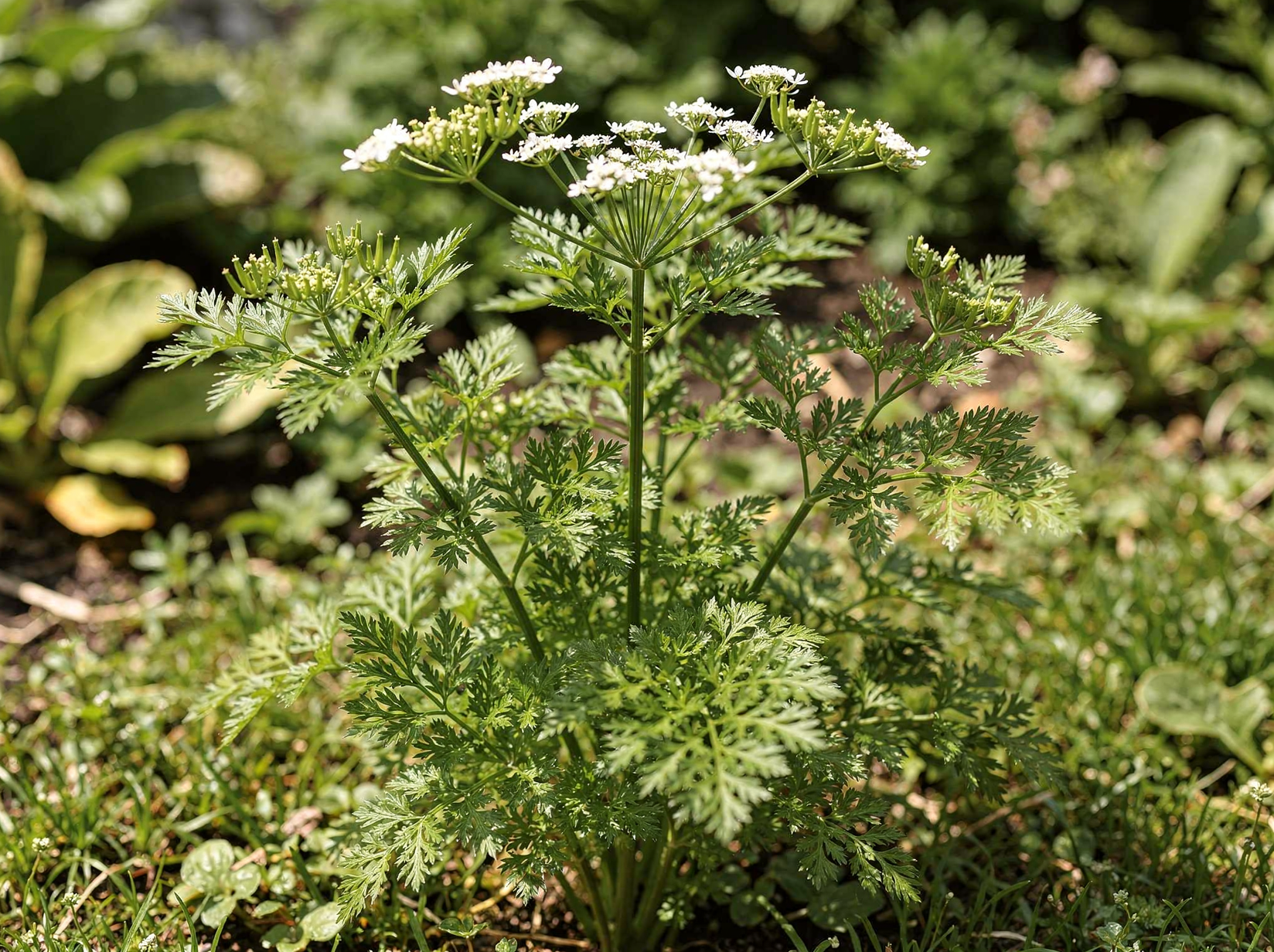
Chervil is a cool-season annual herb with light green, finely divided leaves that closely resemble parsley but carry a mild, anise-inflected flavor. The plant reaches about 2 feet tall, with ferny foliage that adds delicate texture to an herb row or container. It occupies the same growing window as lettuces and radishes, performing best in the shoulder seasons of spring and fall, and pairs naturally with those crops in the bed. Home gardeners grow it primarily for the leaf harvest, used fresh in soups, salads, sauces, and egg dishes, with leaves at their best quality before any flower stems emerge.
The hardest part of growing chervil is managing its tendency to bolt quickly when temperatures rise. A gardener who makes a single spring sowing and expects leaves through summer will watch the crop flower and the leaves turn bitter before the warmest weeks arrive. The concrete solution is succession sowing: Illinois Extension recommends new sowings at three-to-four-week intervals to maintain a continuous supply of young, harvestable leaves. Compounding the difficulty, chervil seedlings transplant poorly, meaning each succession must be direct-sown in place, with no transplant option available to recover a missed sowing.
Growing basics
Chervil is a cool-season crop, usually direct-sown in the garden.
Seeds germinate once soil reaches about 55°F.
Plants bolt or decline once sustained daytime highs reach 75°F.
Varieties run about 60 days to maturity.
Grows in part sun.
Frost tolerance varies by variety, from frost-tender to frost-hardy.
Space plants about 6 inches apart.
Common questions
When do you plant chervils?
Chervil is a cool-season crop, usually direct-sown in the garden. Planting opens once soil reaches about 55°F.
What soil temperature does chervils need?
Seeds germinate once soil reaches about 55°F.
How far apart do you space chervils?
Space plants about 6 inches apart.
How long does chervils take to mature?
Varieties in the library run about 60 days from planting to harvest.
3 chervils in the library
Curled Chervil · Plain Leaf Chervil · Brussels Winter
Each has a full cited page in the library.
Pests and diseases we cover
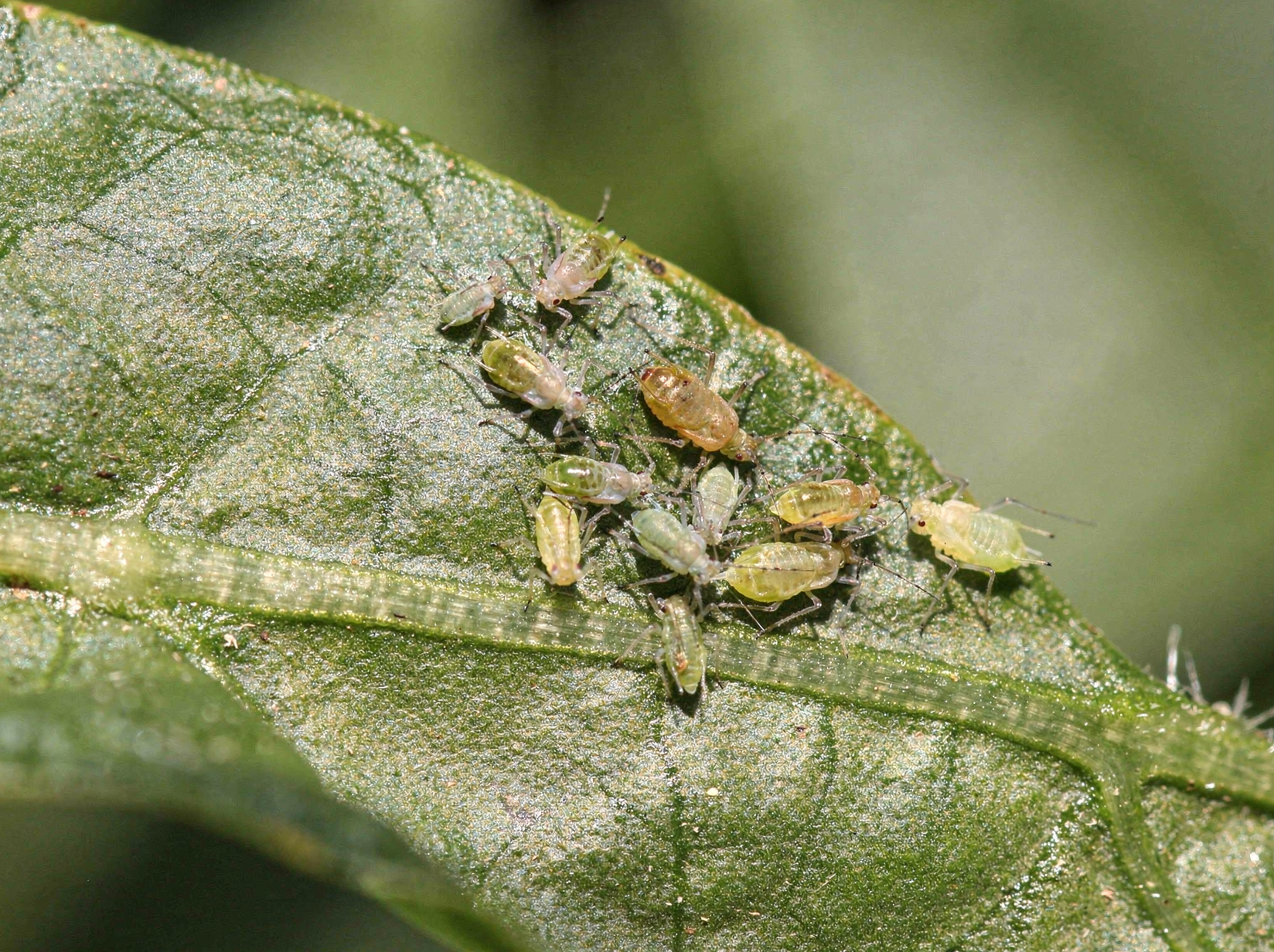 Aphid
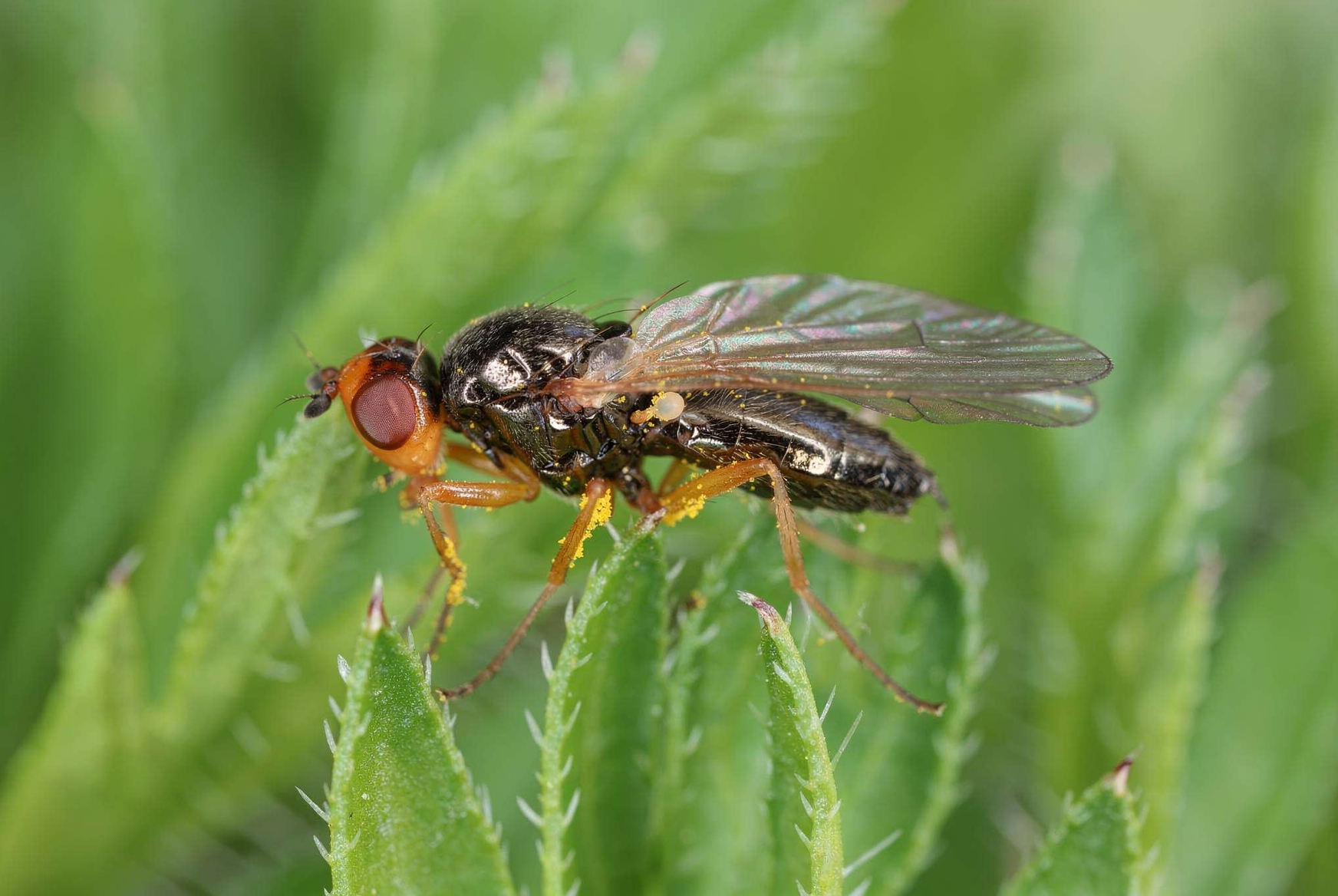 Carrot rust fly
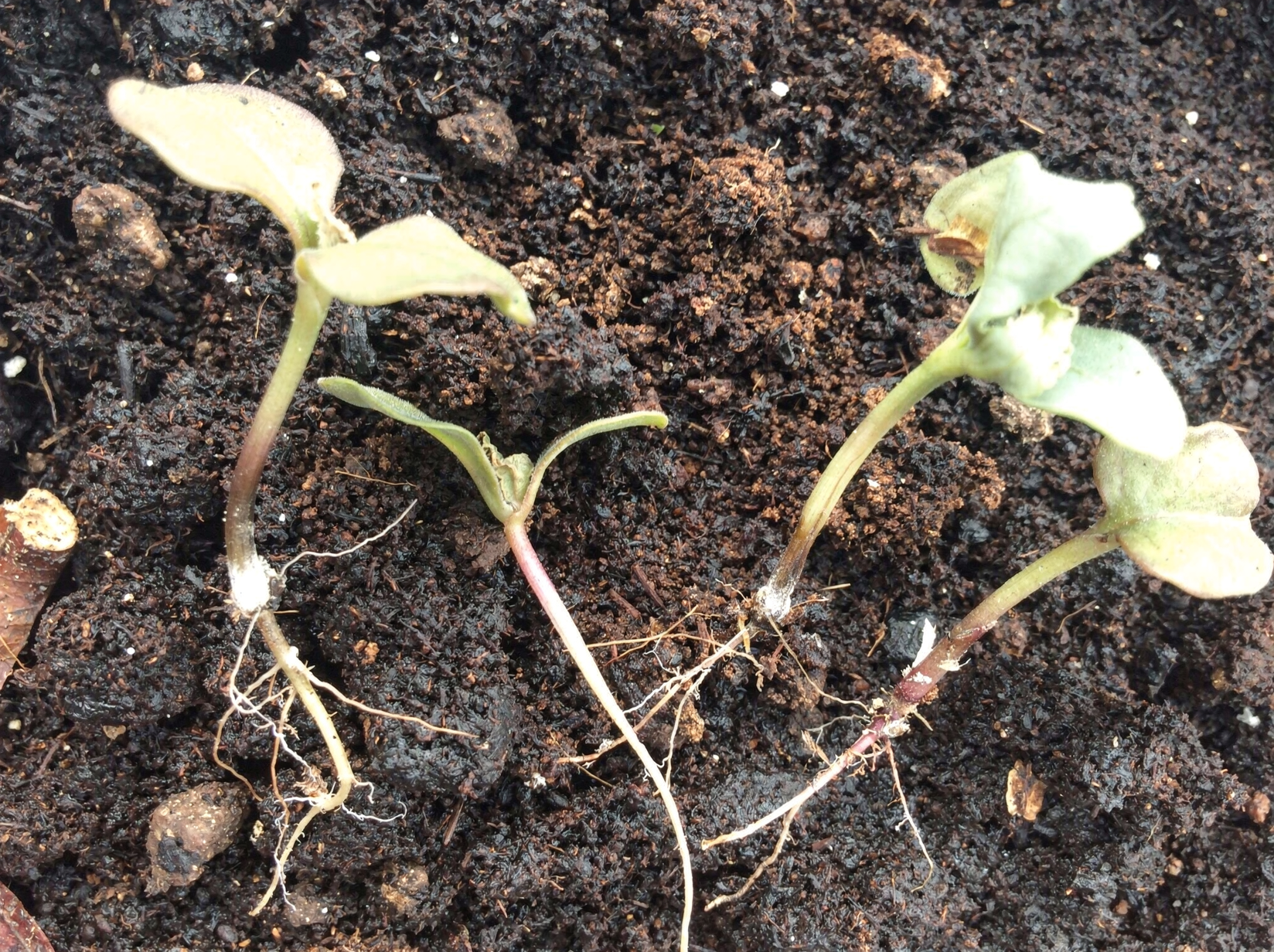 Damping off
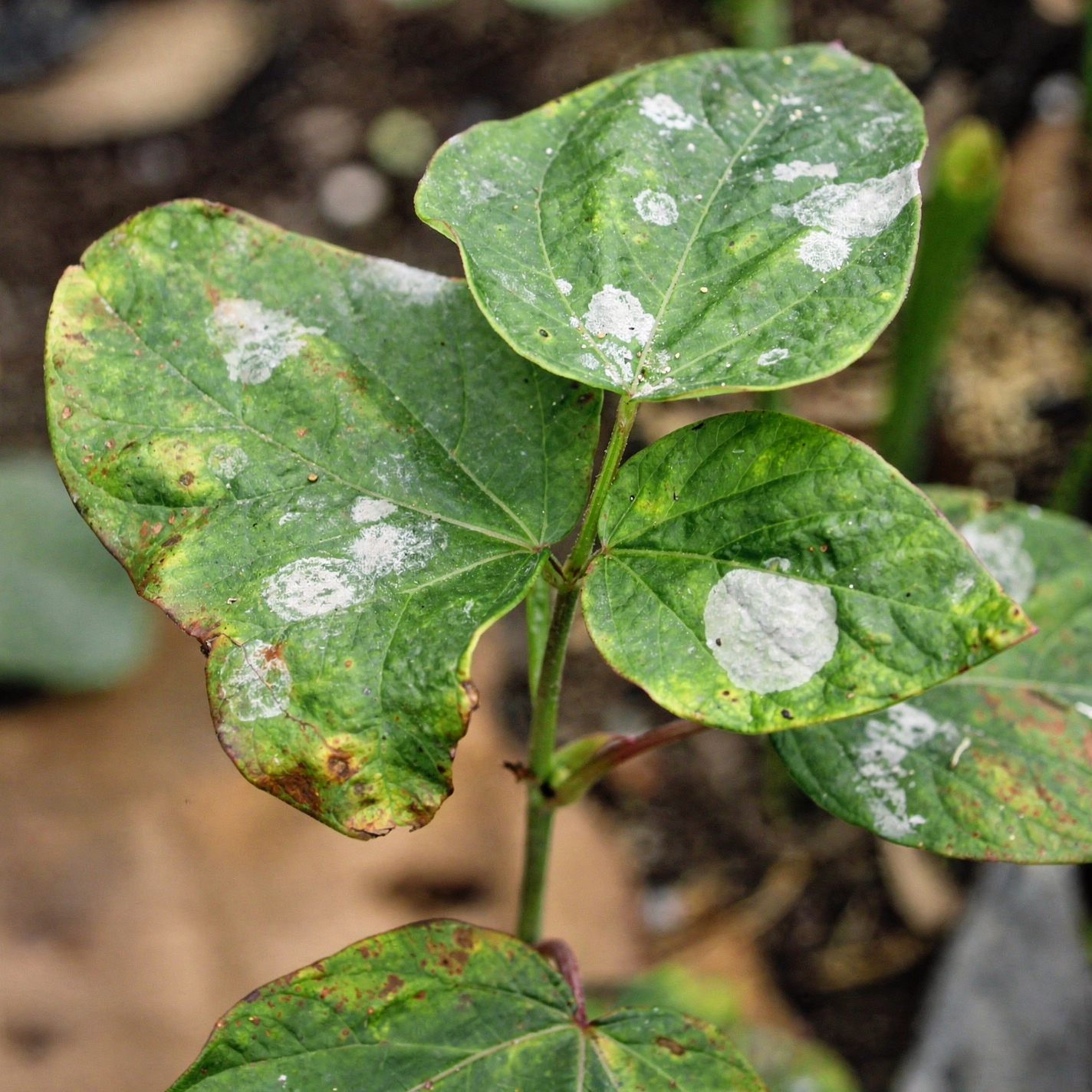 Powdery mildew
Identification and treatment for each, with photos, in the library.
Row & Bed covers 3 chervil varieties, each with a cited care timeline and fertilization schedule, identification and treatment for the 2 pests and 2 diseases that reach them, and planting windows worked out for your ZIP.
Set up your gardenSee something that does not match your garden? Write to andy@rowandbed.com.